Advanced Technology in Modern Cardiac Care
A New Chapter in Heart Health
Cardiac care has changed dramatically in recent years. What once relied heavily on basic tools and delayed diagnosis has now evolved into a technology-driven, precision-focused field. Advanced technology in modern cardiac care is not just improving survival rates—it’s redefining how heart diseases are detected, treated, and prevented. With experts like Dr Rahul Chandola and advanced institutions such as IHLD Hospital, patients today benefit from faster diagnosis, safer procedures, and better long-term outcomes.
How Technology Is Transforming Cardiac Diagnosis
Early and accurate diagnosis is the foundation of effective heart care. Advanced cardiac technology has made it possible to identify heart problems at stages where treatment is simpler and more successful. High-resolution imaging systems, AI-powered analysis tools, and digital diagnostics allow doctors to see the heart in remarkable detail.
Instead of relying only on symptoms, cardiologists can now detect hidden blockages, rhythm disorders, and structural abnormalities early. This shift from reactive to proactive care saves time, reduces complications, and often saves lives.
Artificial Intelligence and Smart Systems in Cardiology
Artificial intelligence has become a silent partner in modern cardiac care. AI systems analyze vast amounts of patient data—medical history, imaging results, and real-time vitals—to support clinical decision-making. It’s like having an extra set of expert eyes that never get tired.
These smart systems help predict potential cardiac events before they happen, allowing preventive action. AI-assisted imaging also improves accuracy, reducing human error and speeding up diagnosis, especially in critical situations.
Minimally Invasive and Robotic Cardiac Procedures
One of the biggest breakthroughs in modern cardiac care is the shift toward minimally invasive procedures. Smaller incisions, advanced catheters, and robotic assistance have replaced many traditional open-heart surgeries.
Robotic-assisted systems enhance surgical precision, enabling surgeons to perform complex procedures with greater control and consistency. For patients, this means less pain, minimal scarring, shorter hospital stays, and faster recovery—benefits that significantly improve quality of life.
Advanced Imaging and Monitoring Technologies
Modern cardiac imaging has taken clarity to a whole new level. Technologies such as 3D echocardiography, cardiac CT scans, and MRI provide detailed, real-time views of the heart’s structure and function. These tools help cardiologists plan treatments more accurately and monitor progress effectively.
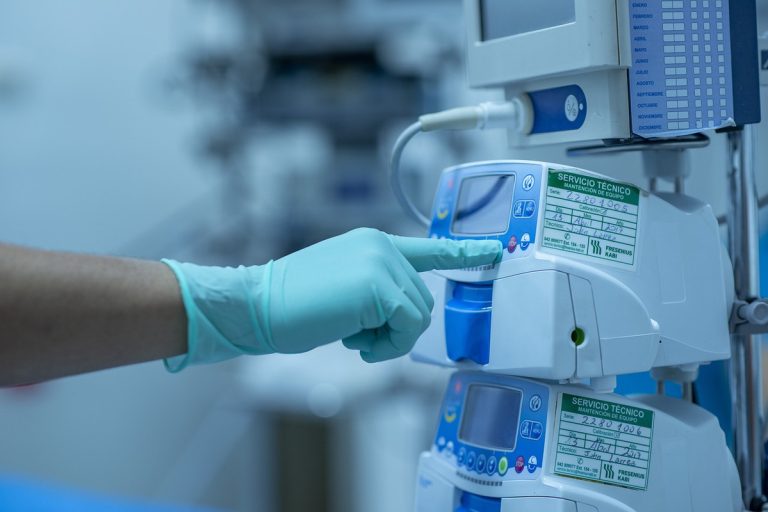
In addition, wearable devices and remote monitoring systems allow continuous tracking of heart activity. Patients no longer need to be in a hospital for their heart to be monitored. This constant flow of data helps doctors intervene early if abnormalities appear.
Personalized and Preventive Cardiac Care
Advanced technology has made personalized cardiac care a reality. Treatment plans are now tailored based on individual risk factors, lifestyle habits, and medical data. This approach avoids unnecessary procedures and focuses on what truly benefits the patient.
Preventive cardiology has also gained momentum. Advanced screening tools and risk assessment technologies identify potential heart issues long before symptoms develop. Prevention, supported by technology, is proving to be one of the most powerful tools in heart health.
Dr Rahul Chandola: Combining Expertise with Innovation
Modern cardiac care requires both experience and innovation. Dr Rahul Chandola is recognized for integrating advanced technology into patient-focused cardiac treatment. His approach emphasizes precision, safety, and long-term outcomes while maintaining a compassionate connection with patients.
By embracing technological advancements without losing the human touch, Dr Rahul Chandola represents the balanced future of cardiology.
IHLD Hospital: A Center for Advanced Cardiac Technology
Technology reaches its full potential when supported by the right infrastructure. IHLD Hospital stands out as a hub for advanced cardiac care, offering state-of-the-art diagnostic tools, modern surgical systems, and digital patient management. Every technological integration at IHLD Hospital is designed around patient safety, efficiency, and comfort, ensuring that innovation directly translates into better care.
Benefits of Advanced Technology for Cardiac Patients
The impact of advanced technology in modern cardiac care is clear. Patients experience fewer complications, faster recovery, and more accurate treatments. Continuous monitoring and personalized care plans empower patients to actively participate in their heart health journey. Simply put, technology is helping people live longer, healthier, and more confident lives after cardiac treatment.
Conclusion
Advanced technology has become the driving force behind modern cardiac care. From early diagnosis and AI-powered analysis to minimally invasive procedures and personalized treatment plans, innovation is reshaping heart health from every angle. With leaders like Dr Rahul Chandola and advanced institutions such as IHLD Hospital, the future of cardiac care is not only advanced but also more precise, preventive, and patient-centered than ever before.